
The Bodic Lighthouse
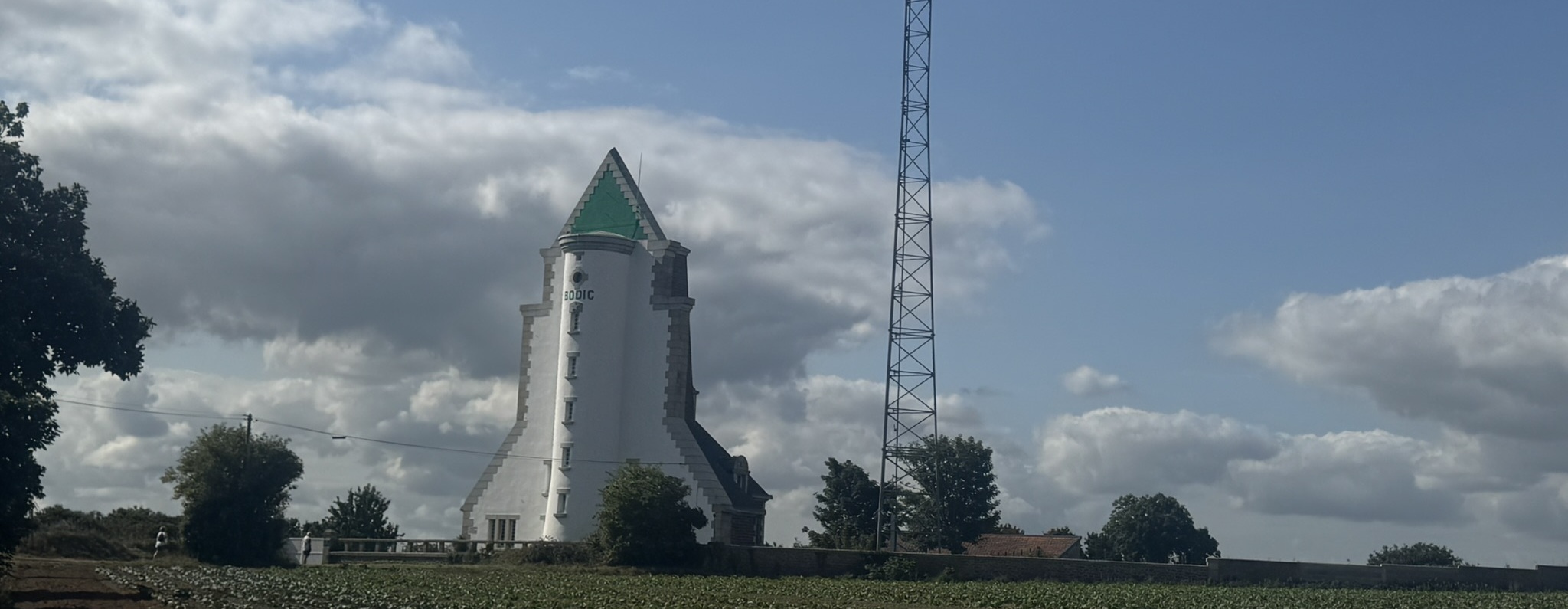
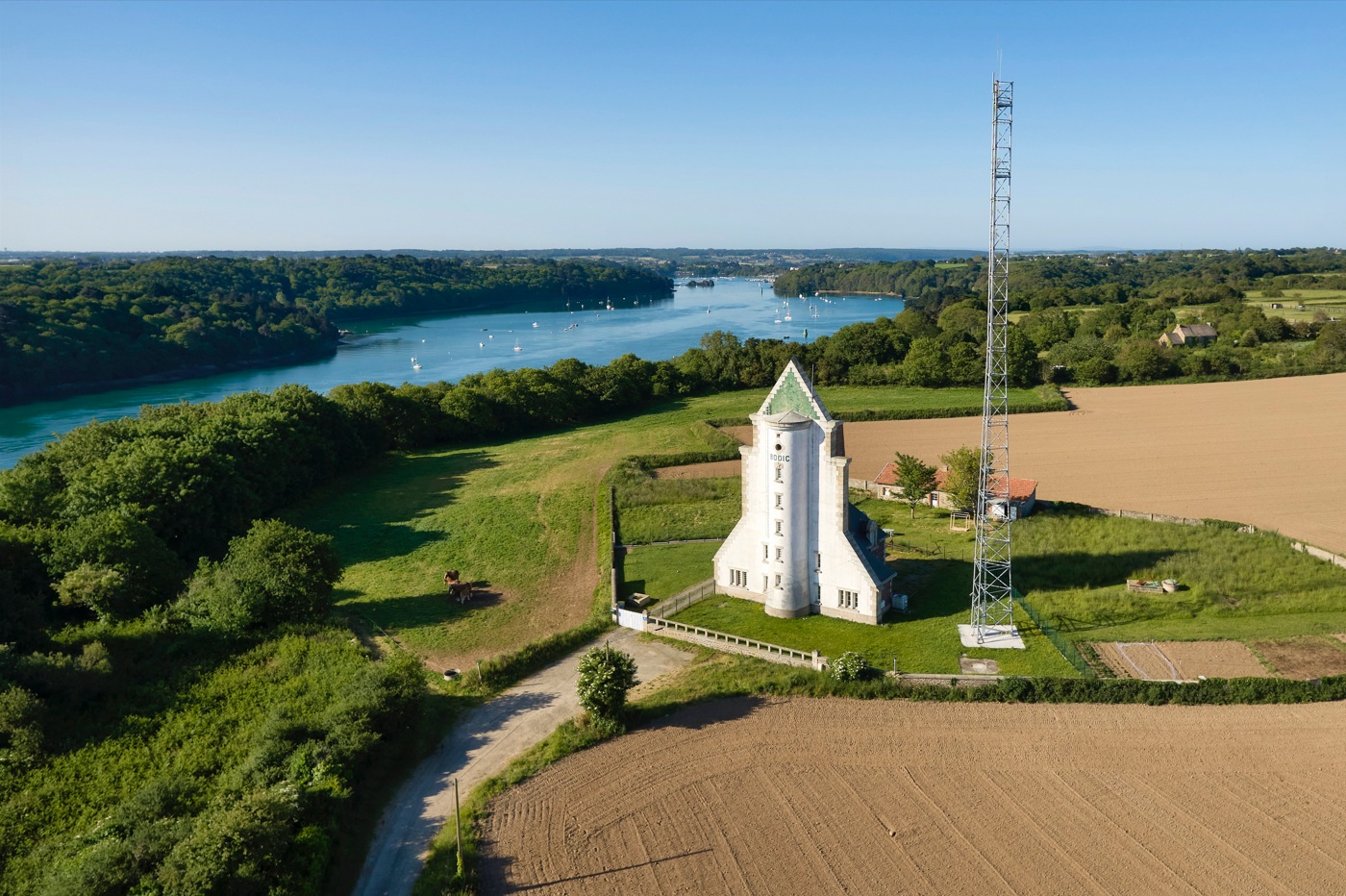
The BODIC project takes its name from the Bodic lighthouse, located in Brittany along the Trieux estuary, in the French commune of Lézardrieux. Built on a plain plateau, the lantern stands 48.90 meters above sea level. As a nod to its Breton cousin ARMEN, the Bodic lighthouse — with its slender, rocket-like shape — perfectly embodies our ambition to become the future industrial-grade reference platform for investment firms.
Why this name?
The Bodic lighthouse stands for guidance, vigilance and sovereignty — core values at Bodic. Just like a lighthouse guides ships through the night, Bodic aims to guide investment firms in their digital transformation with a robust, sovereign infrastructure and a long-term vision.
History of the Bodic lighthouse
The Bodic site has served as a navigation landmark for several centuries. As early as the beginning of the 18th century, a first signal tower was built on this strategic location, upstream from the Coatmen roadstead, to make access to the Trieux estuary safer. At that time, a ferry also crossed the river at this narrow point of the estuary, known as the “Bodic passage”.
In the 1860s, as maritime traffic towards the port of Lézardrieux increased, the authorities decided to reinforce the signalling system. The Bodic lighthouse was therefore built in 1867 on the site of the former watchtower. It initially ran on mineral oil, then gradually evolved as technology progressed: petroleum, gas and eventually electric lighting.
The most dramatic turning point came during the Second World War. In August 1944, the tower was completely destroyed by occupying forces. As soon as the war ended, plans were drawn up to rebuild a new lighthouse. Completed in 1948, the current structure adopted a unique architecture: a white cylindrical tower attached to a large trapezoidal façade wall acting as a daymark. This distinctive, almost futuristic silhouette is what now gives Bodic its “rocket-like” appearance.
For more than a century, Bodic was a fully inhabited lighthouse. Keepers and their families lived there year-round, maintaining the light and ensuring safe navigation in coordination with the nearby Croix lighthouse. It was only in 2015 that the last keepers finally left, as the lighthouse became fully automated.
Today, the Bodic lighthouse still plays a key role. Aligned with the Croix light, it marks the entrance to the Trieux channel and guides vessels towards the port of Lézardrieux. Visible from nearly 20 kilometres away, equipped with a directional LED light and remotely monitored, Bodic continues its mission as a maritime sentinel, true to more than 150 years of history.
Anecdotes & Local Legends
For generations, the Bodic site has fueled the imagination of sailors navigating the Trieux. Long before the lighthouse existed, a large oak tree acted as a natural daymark: by aligning it with a cross placed on a rock across the river, seafarers could safely follow the channel. The 1867 lighthouse eventually replaced this iconic tree, offering a far more reliable beacon.
Local tradition also recalls a tragic shipwreck in 1858, later immortalised in a Breton gwerz (lament). This event strengthened the resolve to modernise the signalling system and protect the estuary.
With its unusual silhouette — a cylindrical tower embedded into a broad white façade — Bodic is sometimes described as a “UFO among Breton lighthouses”. Standing alone in open fields, it can appear in stormy weather like a rocket poised for lift-off, feeding stories and legends that have surrounded this site for decades.
Even today, Bodic remains a cherished landmark for the inhabitants of Lézardrieux and a discreet yet powerful symbol of Breton maritime heritage.
Why a lighthouse for Bodic SAS?
Bodic takes its name from a family story and a place associated with a lighthouse – a symbol of guidance, vigilance and continuity: three essential qualities when supporting investment firms in their AI & Data journeys.
The lighthouse also reminds us that technology is not an end in itself: it exists to shed light on decisions, secure navigation and help keep the long-term course.
References & sources
- Patrimoine Bretagne – Phare de Bodic (dossier principal)
- Côtes d'Armor – Phare de Bodic (fiche patrimoine)
- Wikipédia – Phare de Bodic
- Port d'Attache – Guide des phares bretons
These historical elements are based on public heritage and encyclopaedic sources. The lighthouse drawings are original creations by Antoine Jeanjean. The contents were written and structured by the Bodic team.